Acting
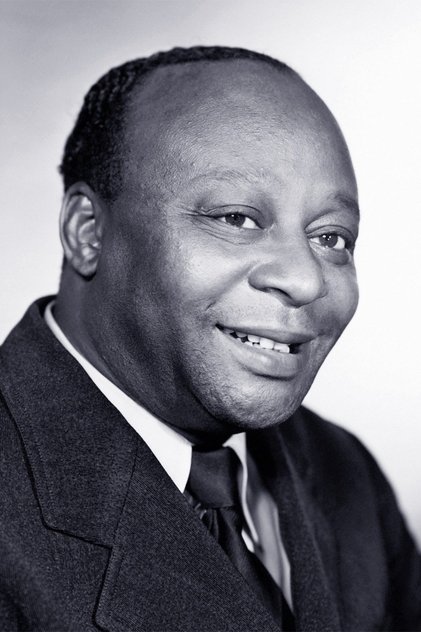
Mantan Moreland
Born just after the turn of the century in Louisiana, Mantan began running away from home at age 12 to join circuses and medicine shows, only to be brought back time and again. During these times he sharpened his comic skills and developed routines and acts that eventually became popular on the vaudeville stage, or what was then called the "chitlin' circuit." A solo performer by nature, he often teamed up with other famous comics (such as Ben Carter) to keep working, and became a deft performer of "indefinite talk" routines, where two quicksilver comics continually topped each other in mid-sentence, as if reading each other's mind (i.e., "Say, did you see...?" "Saw him just yesterday...didn't look so good"). Mantan's focus gradually shifted his trade toward film, where he initially appeared in servile bits (shoeshine men, porters, waiters). However, his talent for making people laugh couldn't be overlooked and he soon earned featured status in Harlem-styled western parodies and grade "A" comedy films playing the superstitious, ever-terrified manservant running from any kind of impending doom. Moreland's peak in movies came with his recurring role as Birmingham, the skittish chauffeur, in the "Charlie Chan" series, where he was forever forewarning his boss to stay away from an obviously dangerous case or situation. Though haunted mansions were an ideal place for setting off his stereotyped character, Mantan would be haunted in a different way by this Hollywood success in years to follow. By the 1950s, racial attitudes began to change and, with the rise of the civil rights movement, what was once considered hilarious was now interpreted as demeaning and offensive to both blacks and whites. Mantan and others, such as Stepin Fetchit, were ostracized and ridiculed by Hollywood for their past negative portrayals. It took decades for audiences to forgive and newer generations to forget the Depression-era comedy of Mantan Moreland in order for the actor to come back. In the late 1960s he managed a modest resurgence on TV and in commercials and occasional films, allowing him to work again with such comic heavyweights as Bill Cosby, Godfrey Cambridge and director Carl Reiner. It was all too brief, however, for Mantan, long suffering from ill health, died of a cerebral hemorrhage in 1973, just as he was settling in to his renewed popularity. Today, audiences tend to be kinder and more understanding of Moreland, remembering him as a highly talented comic who, in the only way he knew, broke major barriers and opened the doors for others black actors to follow.
Titles
Adam-12
1968
Love, American Style
1969
Julia
1968
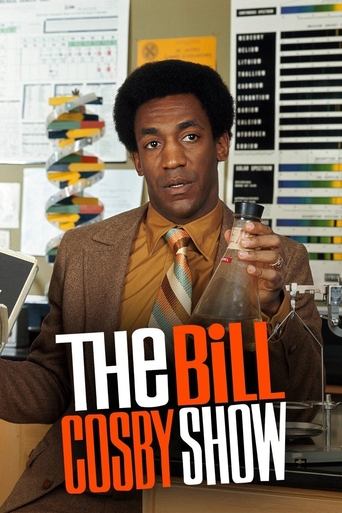
The Bill Cosby Show
1969
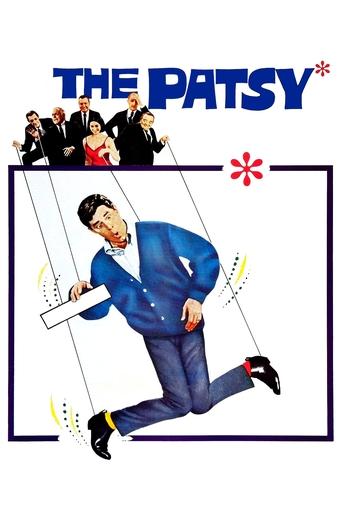
The Patsy
1964
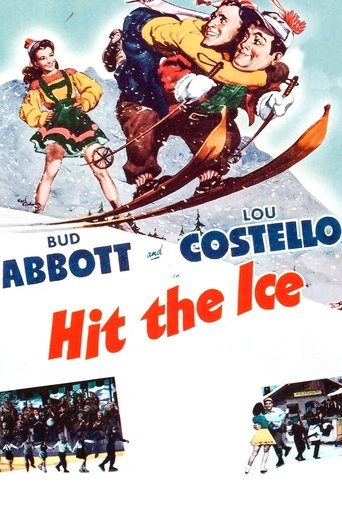
Hit the Ice
1943
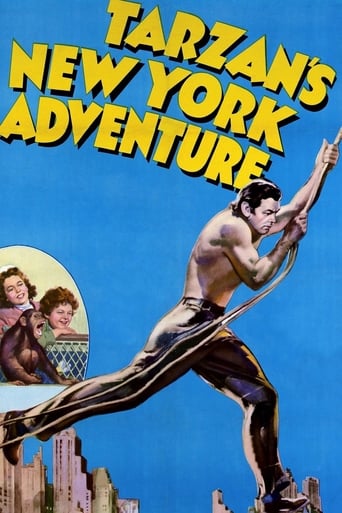
Tarzan's New York Adventure
1942
Eyes in the Night
1942
It Started with Eve
1941
Spider Baby
1967
A-Haunting We Will Go
1942

King of the Zombies
1941
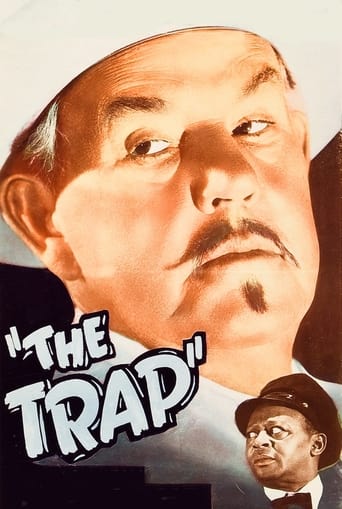
The Trap
1946
Next Time I Marry
1938
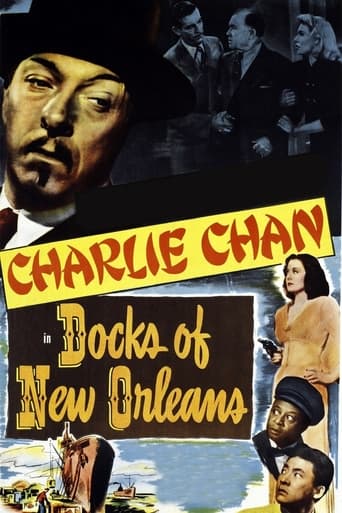
Docks of New Orleans
1948
She Wouldn't Say Yes
1945
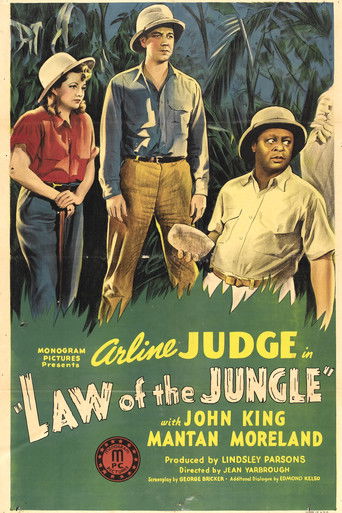
Law of the Jungle
1942
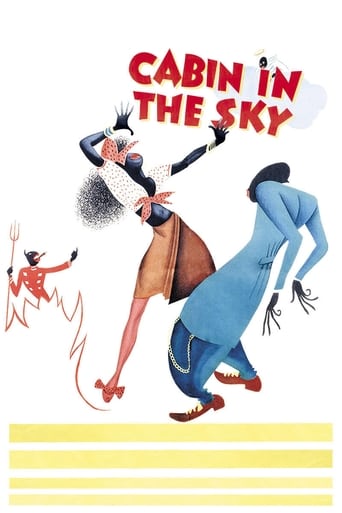
Cabin in the Sky
1943
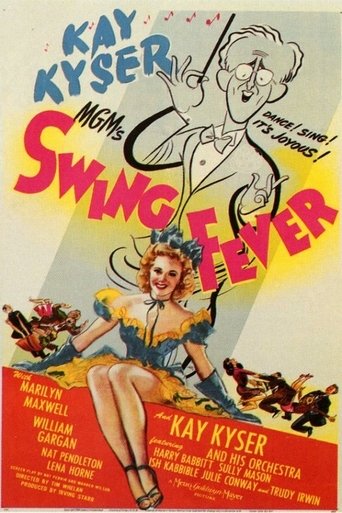
Swing Fever
1943

Watermelon Man
1970
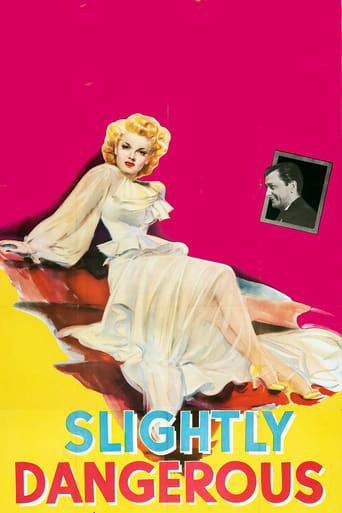
Slightly Dangerous
1943
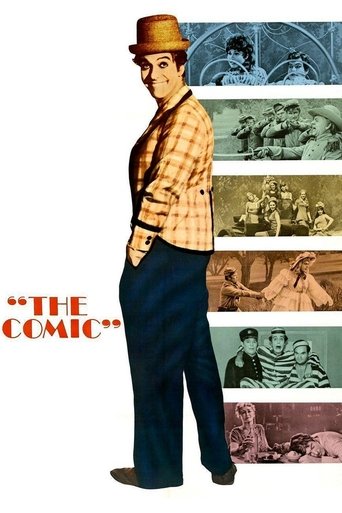
The Comic
1969
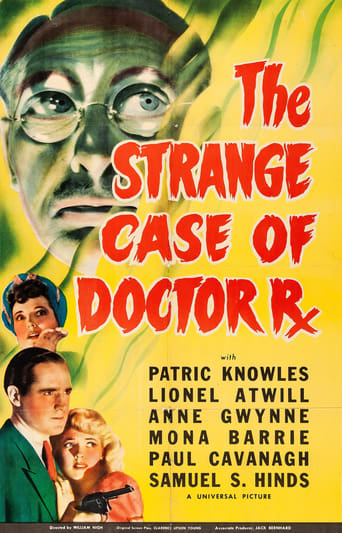
The Strange Case of Doctor Rx
1942
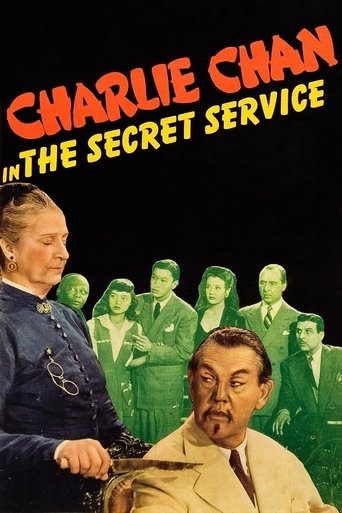
Charlie Chan in the Secret Service
1944
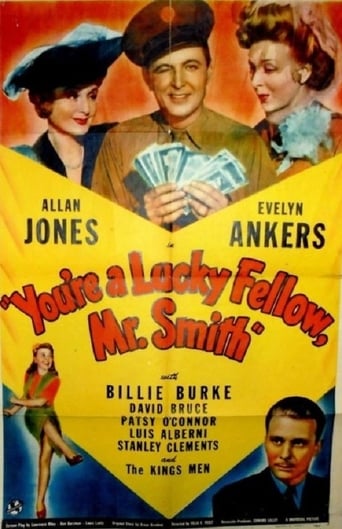
You're a Lucky Fellow, Mr. Smith
1943
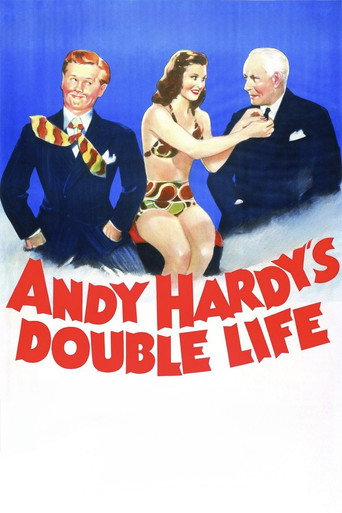
Andy Hardy's Double Life
1942
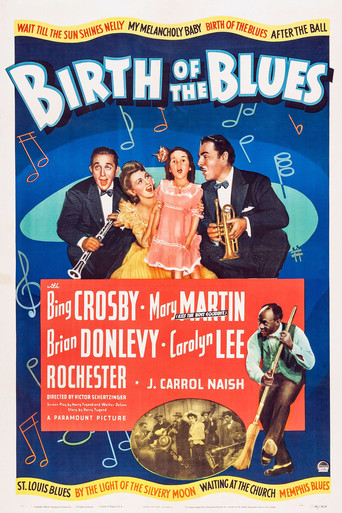
Birth of the Blues
1941
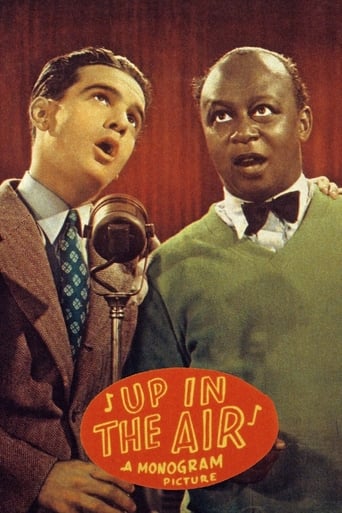
Up in the Air
1940

Four Jacks and a Jill
1942

The Gang's All Here
1941

The Man Who Wouldn't Talk
1940
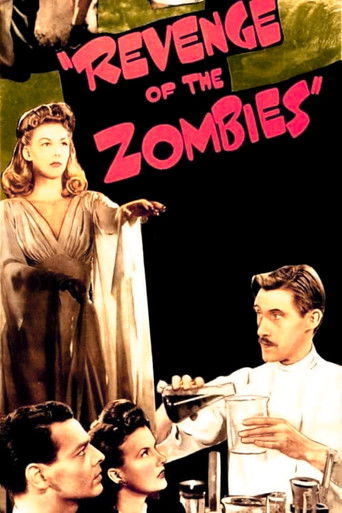
Revenge of the Zombies
1943
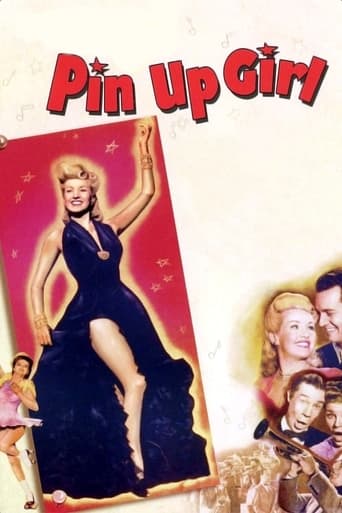
Pin Up Girl
1944
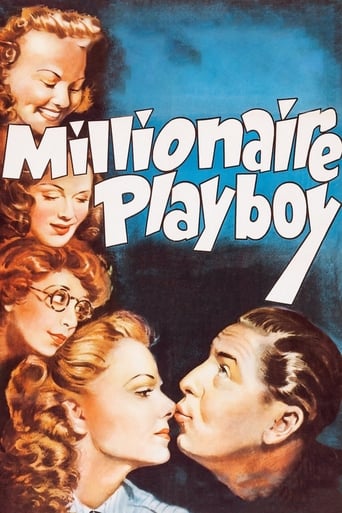
Millionaire Playboy
1940
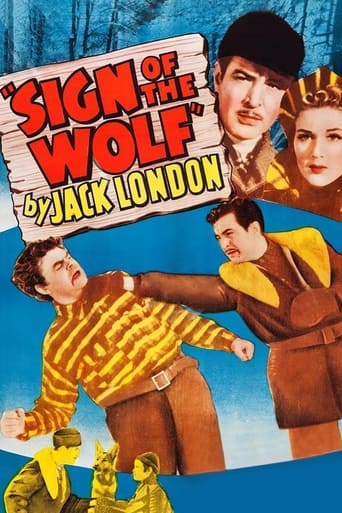
Sign of the Wolf
1941
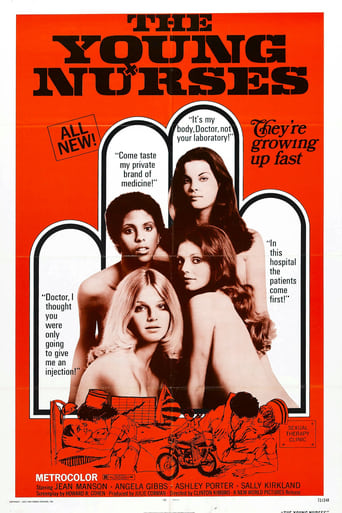
The Young Nurses
1973